The LGBTQ community has long been subjected to a myriad of negative stereotypes that not only misrepresent their identities but also perpetuate harmful biases in society. These stereotypes often stem from a lack of understanding and fear of what is perceived as different. For instance, many people still cling to outdated notions that equate being gay or transgender with deviance or immorality, which can lead to discrimination and social ostracism. Such misconceptions can create an environment where individuals feel unsafe or unwelcome, further isolating them from the broader community. Understanding these negative stereotypes is crucial for dismantling them.
Stereotypes about the LGBTQ community often portray members as overly sexualized, mentally unstable, or incapable of forming healthy relationships. These damaging narratives not only affect how society views LGBTQ individuals but also influence how they view themselves. Internalized stigma can lead to mental health issues, decreased self-esteem, and a reluctance to engage with others. By recognizing the origins and implications of these stereotypes, we can begin to challenge and change the narrative surrounding the LGBTQ community. Moreover, it is essential to acknowledge that stereotypes do not exist in a vacuum; they are often reinforced by media portrayals, cultural narratives, and institutional policies. community often portray members as overly sexualized, mentally unstable, or incapable of forming healthy relationships. These damaging narratives not only affect how society views LGBTQ individuals but also influence how they view themselves. Internalized stigma can lead to mental health issues, decreased self-esteem, and a reluctance to engage with others. By recognizing the origins and implications of these stereotypes, we can begin to challenge and change the narrative surrounding the LGBTQ community. Moreover, it is essential to acknowledge that stereotypes do not exist in a vacuum; they are often reinforced by media portrayals, cultural narratives, and institutional policies.
For example, films and television shows have historically depicted LGBTQ characters in a limited and often negative light, contributing to public misconceptions. As consumers of media, we have the power to demand more accurate and diverse representations that reflect the true experiences of LGBTQ individuals. By fostering a deeper understanding of these stereotypes and their impacts, we can work towards creating a more inclusive society where everyone is valued for who they are.
Historical Context of LGBTQ Stereotypes
To understand the negative stereotypes surrounding the LGBTQ community, it is crucial to explore their historical context. The roots of these stereotypes can be traced back to various cultural, religious, and social influences that have shaped perceptions of gender and sexuality over centuries. Historically, many societies have adhered to rigid norms regarding gender roles and sexual orientation.For instance, ancient civilizations such as Greece and Rome exhibited a more fluid understanding of sexuality, where same-sex relationships were often accepted. However, with the rise of monotheistic religions, particularly Christianity, attitudes began to shift dramatically. The teachings of these religions often condemned non-heteronormative behaviors, labeling them as sinful or immoral. This shift laid the groundwork for centuries of discrimination against individuals who identified as LGBTQ. During the Middle Ages, the perception of homosexuality became increasingly negative.
Laws were enacted that criminalized same-sex relationships, leading to severe punishments, including execution. This period marked a significant turning point in the history of LGBTQ discrimination, as societal norms began to enforce a binary understanding of gender and sexuality. The Enlightenment era brought about some progress in terms of individual rights and freedoms; however, negative stereotypes persisted. The 19th century saw the emergence of pseudo-scientific theories that pathologized homosexuality, branding it as a mental illness. Such views contributed to the stigmatization of LGBTQ individuals and reinforced harmful stereotypes that continue to affect perceptions today. In the 20th century, particularly during the post-World War II era, LGBTQ individuals began to organize and advocate for their rights more openly.
The Stonewall Riots of 1969 marked a pivotal moment in this struggle, igniting a movement that challenged existing stereotypes and sought to redefine societal norms surrounding gender and sexuality. Despite this progress, negative stereotypes remained entrenched in many cultures. Today, while significant strides have been made toward acceptance and equality for the LGBTQ community, remnants of historical prejudice still influence contemporary attitudes. Understanding this historical context is essential for dismantling these stereotypes and fostering a more inclusive society.
Common Negative Stereotypes and Their Impacts
Negative stereotypes about the LGBTQ community are pervasive and can have profound effects on both individuals and society as a whole. Understanding these stereotypes is crucial for dismantling them and fostering a more inclusive environment. Some of the most common negative stereotypes include:-
LGBTQ individuals are promiscuous: This stereotype suggests that all LGBTQ people engage in casual sexual relationships without emotional attachment.
In reality, sexual behavior varies widely among individuals, regardless of their sexual orientation.
- LGBTQ people are confused or going through a phase: This harmful notion implies that being LGBTQ is not a legitimate identity but rather a temporary state. Such beliefs can invalidate the experiences of those who identify as LGBTQ and contribute to internalized stigma.
- LGBTQ individuals are overly flamboyant or stereotypically gender non-conforming: While some may express their identities in ways that challenge traditional gender norms, this stereotype fails to recognize the diversity within the LGBTQ community. Many individuals express their identities in ways that align with societal expectations.
- LGBTQ people are responsible for the decline of traditional family values: This stereotype perpetuates the idea that LGBTQ relationships threaten heterosexual marriages and families. In truth, love and commitment exist in many forms, and LGBTQ families can be just as nurturing and stable as any other.
On an individual level, they can lead to:
- Internalized homophobia: When LGBTQ individuals internalize negative stereotypes, it can result in feelings of shame, low self-esteem, and mental health issues such as anxiety and depression.
- Social isolation: Fear of judgment or rejection may cause LGBTQ individuals to withdraw from social interactions, leading to loneliness and a lack of support networks.
- Discrimination: Stereotypes can fuel discriminatory practices in workplaces, healthcare settings, and educational institutions, further marginalizing LGBTQ individuals.
The Role of Media in Shaping Perceptions
The media plays a pivotal role in shaping societal perceptions, and its representation of the LGBTQ community is no exception. Historically, LGBTQ individuals have often been portrayed through a narrow lens, leading to the reinforcement of negative stereotypes that can influence public opinion and behavior. One of the most significant issues with media representation is the tendency to depict LGBTQ characters as one-dimensional or solely defined by their sexual orientation.This limited portrayal can perpetuate harmful stereotypes, such as the notion that all gay men are flamboyant or that all lesbians are masculine. Such oversimplifications fail to capture the rich diversity within the LGBTQ community and can lead to misunderstandings and prejudice. Moreover, when LGBTQ characters are included in mainstream media, they are frequently relegated to supporting roles or are depicted in a negative light. This lack of visibility can contribute to a sense of alienation among LGBTQ individuals and reinforce societal biases. For instance, when LGBTQ characters are primarily shown as tragic figures or as sources of conflict, it sends a message that their lives are inherently problematic or less valuable than those of heterosexual characters. In contrast, positive representation can challenge these stereotypes and foster greater understanding.
When media outlets choose to portray LGBTQ individuals in diverse roles—such as leaders, heroes, or everyday people—it helps to humanize their experiences and normalize their presence in society. Shows like Pose and Schitt's Creek have made strides in this direction by showcasing multifaceted LGBTQ characters who navigate life with depth and complexity. Furthermore, the influence of social media cannot be overlooked. Platforms like Instagram, TikTok, and Twitter have given rise to a new generation of LGBTQ voices who share their stories and experiences directly with audiences. This grassroots representation allows for a more authentic portrayal of LGBTQ lives, challenging traditional media narratives that may be outdated or biased. To combat negative stereotypes effectively, it is crucial for consumers to critically engage with media content.
By questioning the narratives presented and advocating for more accurate representations, individuals can help shift the conversation around LGBTQ issues. Supporting creators who prioritize authentic storytelling can also contribute to a more inclusive media landscape. In summary, while media representation has historically contributed to the formation of negative stereotypes about the LGBTQ community, there is potential for change. By promoting diverse and positive portrayals, both traditional and social media can play a transformative role in shaping perceptions and fostering acceptance.
Challenging Stereotypes Through Education
Education serves as a powerful tool in dismantling the negative stereotypes that often surround the LGBTQ community. By fostering a deeper understanding of LGBTQ history, culture, and issues, we can combat misinformation and promote acceptance.The importance of education cannot be overstated; it not only enlightens individuals but also cultivates empathy and respect for diverse identities. One effective way to educate oneself about the LGBTQ community is through literature. Numerous books provide insights into the experiences of LGBTQ individuals, their struggles, and their triumphs. Some recommended titles include:
- "The Gay Revolution: The Story of the Struggle" by Lillian Faderman
- "Transgender History" by Susan Stryker
-
"Queer (In)Justice: The Criminalization of LGBT People in the United States" by Joey L. Mogul, Andrea J.
Ritchie, and Kay Whitlock
- "Stonewall: The Riots That Sparked the Gay Revolution" by David Carter
Participating in these events not only broadens knowledge but also connects individuals with like-minded allies. Online resources are also invaluable for those seeking to educate themselves about LGBTQ topics. Websites such as Human Rights Campaign, GLAAD, and The Trevor Project offer a wealth of information on various aspects of LGBTQ life, including advocacy efforts, educational materials, and support resources. Ultimately, challenging stereotypes through education is a continuous journey that requires commitment and openness. By actively seeking knowledge about the LGBTQ community, we can contribute to a more inclusive society where diversity is celebrated rather than stigmatized.
Speaking Out Against Stereotypes: How to Be an Ally
Being an ally to the LGBTQ community is not just about passive support; it requires active engagement and a commitment to challenging negative stereotypes. Here are some practical steps you can take to effectively speak out against stereotypes and support LGBTQ individuals:-
Educate Yourself: Understanding the history, culture, and current issues facing the LGBTQ community is crucial.
Read books, watch films, and follow reputable news sources that cover LGBTQ topics. This knowledge will empower you to address misconceptions and provide informed support.
- Listen and Learn: Engage in conversations with LGBTQ individuals and listen to their experiences. Each person's story is unique, and listening can help you understand the nuances of their struggles. This also shows that you value their perspective.
-
Challenge Stereotypes: When you hear negative comments or stereotypes about LGBTQ people, don’t remain silent.
Politely but firmly challenge these statements by providing factual information or sharing personal stories that counteract harmful narratives.
- Use Inclusive Language: Language matters. Be mindful of the words you use and strive to use inclusive language that respects all identities. Avoid assumptions about gender or sexual orientation, and ask individuals how they identify if you're unsure.
- Support LGBTQ Organizations: Get involved with local or national organizations that advocate for LGBTQ rights. Whether through volunteering your time, donating funds, or participating in events, your support can make a significant difference.
-
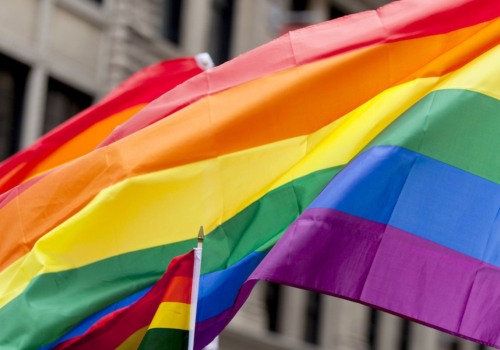
Promote Visibility: Share content from LGBTQ creators on social media, attend pride events, or display symbols of support like rainbow flags.
Visibility helps normalize LGBTQ identities and challenges societal stereotypes.
- Be Open to Feedback: As an ally, be prepared to learn from your mistakes. If someone points out a misstep in your language or behavior, approach it with humility and a willingness to improve.
Supporting LGBTQ-Friendly Businesses and Organizations
Supporting LGBTQ-friendly businesses and organizations is a vital aspect of fostering an inclusive community. When we choose to patronize establishments that actively promote diversity and acceptance, we send a powerful message that discrimination has no place in our society.This support not only helps these businesses thrive but also encourages others to adopt similar values. One of the most significant benefits of supporting LGBTQ businesses is the economic empowerment it provides. Many LGBTQ-owned businesses face unique challenges, including limited access to funding and resources. By choosing to spend your money at these establishments, you contribute to their sustainability and growth, allowing them to create jobs and invest back into the community. Moreover, supporting LGBTQ organizations that advocate for rights and equality is equally important. These organizations work tirelessly to address issues such as discrimination, healthcare access, and legal protections for LGBTQ individuals.
By donating your time or resources to these groups, you help amplify their efforts and ensure they can continue their crucial work. Additionally, when you engage with LGBTQ-friendly businesses, you often find a more welcoming atmosphere. These establishments typically prioritize inclusivity in their hiring practices and customer service, creating spaces where everyone feels valued and respected. This positive environment not only benefits LGBTQ individuals but also enriches the experiences of all customers. To effectively support LGBTQ businesses and organizations, consider the following actions:
- Research: Look for local LGBTQ-owned businesses in your area or online. Websites and directories dedicated to promoting these businesses can be invaluable resources.
-
Spread the Word: Share your positive experiences with friends and family on social media or through word-of-mouth.
Your endorsement can encourage others to support these businesses.
- Participate in Events: Attend events hosted by LGBTQ organizations or businesses, such as pride parades, fundraisers, or community gatherings. These events often provide opportunities to connect with others who share your commitment to inclusivity.
- Advocate: Use your voice to advocate for policies that support LGBTQ rights within your community. This can include lobbying for inclusive legislation or supporting initiatives that promote equality.
Personal Stories: Voices from the LGBTQ Community
Personal narratives from the LGBTQ community serve as powerful tools in challenging negative stereotypes.These stories not only illuminate the unique experiences of individuals but also highlight the resilience and strength found within the community.
Experiences of Discrimination
Many LGBTQ individuals have faced discrimination in various aspects of their lives, including at home, in schools, and within workplaces. For instance, a young gay man named Alex shared his story of being bullied throughout high school. He recounted how derogatory remarks and exclusion from social groups made him feel isolated and ashamed of his identity. Despite these challenges, Alex found solace in supportive friends and eventually became an advocate for anti-bullying initiatives in his school.
Similarly, Maria, a transgender woman, faced significant hurdles when she transitioned.
She described her experience of being denied service at a local restaurant simply because of her gender identity. This incident not only affected her emotionally but also motivated her to speak out against discrimination. Maria now shares her story at community events, emphasizing the importance of acceptance and understanding.
Overcoming Stereotypes
Overcoming stereotypes is a common theme in many LGBTQ personal stories. Jordan, a non-binary individual, shared how they struggled with societal expectations regarding gender norms.
Initially feeling pressured to conform, Jordan eventually embraced their identity and began to educate others about non-binary experiences. Through workshops and social media platforms, they have successfully challenged misconceptions about gender fluidity, fostering a more inclusive dialogue. Another inspiring story comes from Samantha, a lesbian who faced rejection from her family upon coming out. Rather than succumbing to despair, Samantha sought out LGBTQ support groups where she found acceptance and love. Her journey led her to become a mentor for young LGBTQ individuals facing similar challenges, demonstrating that resilience can transform pain into purpose. These personal stories are vital in dismantling harmful stereotypes about the LGBTQ community.
They remind us that behind every statistic is a human being with dreams, struggles, and triumphs. By amplifying these voices, we can foster empathy and understanding, paving the way for a more inclusive society.
The Future: Building an Inclusive Society for All
As we look toward the future, it is crucial to envision a society where LGBTQ rights are not just recognized but celebrated. The journey toward inclusivity requires a collective effort from individuals, communities, and institutions to dismantle the barriers that perpetuate discrimination and inequality. One of the most effective ways to foster an inclusive society is through comprehensive education. Schools and educational institutions should implement curricula that include LGBTQ history, contributions, and issues.By integrating these topics into the classroom, we can cultivate understanding and empathy among young people, helping to dispel harmful stereotypes before they take root. Furthermore, training programs for educators can equip them with the tools necessary to create safe and supportive environments for all students. In addition to education, advocacy plays a pivotal role in shaping public policy. Engaging in grassroots movements and supporting legislation that protects LGBTQ rights can lead to significant changes at local, state, and national levels. This includes pushing for anti-discrimination laws in employment, housing, and healthcare that explicitly protect individuals based on their sexual orientation and gender identity. Moreover, representation matters.
Increasing visibility of LGBTQ individuals in media, politics, and business can challenge existing stereotypes and provide role models for younger generations. When people see diverse identities reflected in various spheres of life, it normalizes those identities and fosters acceptance. Community support is also vital in combating discrimination. Establishing safe spaces where LGBTQ individuals can gather, share experiences, and find solidarity can empower them to advocate for their rights. Organizations that focus on mental health support, legal assistance, and social services tailored to the needs of the LGBTQ community are essential in this regard. Finally, it is important for allies to actively participate in this movement toward inclusivity.
Allies can amplify LGBTQ voices by sharing their stories and experiences on social media platforms or within their own communities. By standing up against discrimination and supporting LGBTQ initiatives, allies contribute significantly to creating a more accepting environment. The future of the LGBTQ community hinges on our collective commitment to building an inclusive society. Through education, advocacy, representation, community support, and allyship, we can work together to ensure that everyone—regardless of their sexual orientation or gender identity—can live authentically and without fear of discrimination.
Conclusion: The Importance of Challenging Negative Stereotypes
In conclusion, challenging negative stereotypes about the LGBTQ community is not just a matter of social justice; it is essential for fostering a society that values diversity and inclusion. The harmful narratives that have persisted over time can lead to discrimination, mental health issues, and a lack of acceptance for individuals who identify as part of the LGBTQ spectrum.By actively working to dismantle these stereotypes, we contribute to a more equitable world. Throughout this article, we have explored various strategies for confronting these damaging perceptions. Education stands out as a powerful tool. By informing ourselves about the rich history and diverse experiences within the LGBTQ community, we can dispel myths and promote understanding. This knowledge empowers us to engage in meaningful conversations and advocate for change. Moreover, speaking out against negative stereotypes when we encounter them is crucial.
Silence can be interpreted as complicity, so it is vital to challenge harmful comments or jokes in our daily interactions. This not only helps to create a safer environment for LGBTQ individuals but also encourages others to reflect on their own biases. Supporting LGBTQ-friendly businesses and organizations further reinforces our commitment to inclusivity. By choosing to patronize establishments that celebrate diversity, we send a clear message that acceptance is not just an ideal but a practice we actively engage in. Additionally, volunteering or donating to organizations that advocate for LGBTQ rights can amplify our impact and help drive systemic change. Ultimately, challenging negative stereotypes is a collective responsibility that requires ongoing effort from all members of society.
As we strive for a world where everyone can live authentically and without fear of judgment, let us remember that our actions—no matter how small—can contribute significantly to this cause. Together, we can build a future where the LGBTQ community is celebrated for its contributions rather than marginalized by outdated stereotypes.