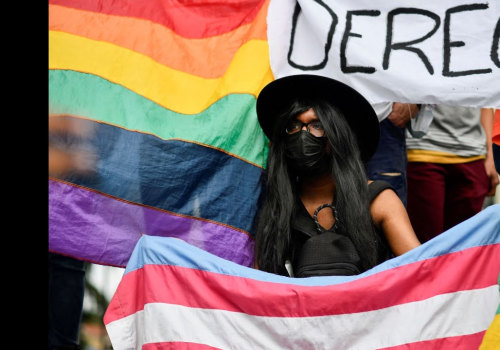
The journey of LGBTQ youth is often fraught with unique challenges that can significantly impact their mental health and overall well-being. From the moment they begin to understand their sexual orientation or gender identity, many face societal pressures that can lead to feelings of isolation and confusion. This is compounded by the reality of discrimination, which can manifest in various forms, including bullying in schools, rejection from family members, and a lack of acceptance in their communities. Understanding these challenges is crucial for anyone looking to provide meaningful support. Mental health issues are particularly prevalent among LGBTQ youth, with studies indicating that they are at a higher risk for anxiety, depression, and suicidal ideation compared to their heterosexual peers.
The stigma surrounding their identities can exacerbate these feelings, leading to a cycle of despair that is difficult to break. Many LGBTQ youth report feeling unsafe in their environments, which can further contribute to mental health struggles. It is essential to recognize that these challenges are not merely personal but are deeply rooted in societal attitudes and systemic discrimination. Moreover, the intersectionality of race, socioeconomic status, and other identities can complicate the experiences of LGBTQ youth even further. For instance, LGBTQ youth of color may face additional layers of discrimination that can affect their mental health and access to resources.
Understanding these complexities allows for a more nuanced approach to support, ensuring that interventions are tailored to meet the diverse needs of all LGBTQ youth. In summary, acknowledging the unique challenges faced by LGBTQ youth is the first step toward fostering an environment where they can thrive. By understanding the impact of discrimination and mental health issues on their lives, we can better equip ourselves to offer the support they need to navigate their journeys with confidence and resilience.
The Importance of Education and Awareness
Understanding the LGBTQ community requires a commitment to education and awareness. This journey begins with recognizing the rich history of LGBTQ individuals, which is often overlooked in mainstream narratives. By delving into this history, we can appreciate the struggles and triumphs that have shaped the community today. One of the most significant aspects of LGBTQ history is the fight for rights and recognition.From the Stonewall Riots in 1969, which marked a pivotal moment in the struggle for LGBTQ rights, to the ongoing battles for marriage equality and anti-discrimination laws, each event has contributed to a broader understanding of what it means to be part of this community. Learning about these milestones not only honors those who fought for change but also highlights the resilience and strength of LGBTQ individuals. Moreover, educating oneself about current issues facing LGBTQ youth is crucial. Many young people experience bullying, discrimination, and mental health challenges due to their sexual orientation or gender identity. Awareness of these issues can foster empathy among peers, educators, and family members, creating a more supportive environment.
For instance, understanding the statistics surrounding mental health in LGBTQ youth—such as higher rates of depression and anxiety—can motivate adults to take action and provide necessary support. To effectively educate ourselves about LGBTQ issues, consider the following approaches:
- Read Books and Articles: Seek out literature written by LGBTQ authors or about LGBTQ experiences. This can provide personal insights that statistics alone cannot convey.
- Attend Workshops and Seminars: Many organizations offer training sessions focused on LGBTQ awareness. Participating in these can enhance your understanding and equip you with tools to support LGBTQ youth.
- Engage with Media: Films, documentaries, and podcasts can serve as powerful mediums for learning about LGBTQ history and current issues. They often present stories that resonate on a personal level.
- Join Community Events: Participating in Pride events or local LGBTQ gatherings can help build connections with the community while deepening your understanding of their experiences.
By becoming informed advocates for LGBTQ rights and issues, we can create a more inclusive society where all youth feel valued and supported. This commitment to learning fosters an environment where empathy thrives, allowing us to stand alongside LGBTQ youth as allies in their journey.
Becoming an Ally: Actions You Can Take
Becoming an ally to LGBTQ youth is not just about passive support; it requires active engagement and a commitment to fostering an inclusive environment. Here are several practical actions you can take to demonstrate your allyship:-
Educate Yourself:Educate Yourself: Understanding the complexities of LGBTQ identities and the challenges faced by these youth is crucial. Read books, watch documentaries, and follow reputable online resources that discuss LGBTQ history, rights, and current issues.
This knowledge will empower you to engage in informed conversations and advocate effectively.
- Speak Up Against Discrimination: Use your voice to challenge homophobic or transphobic remarks when you hear them. Whether in casual conversations or more formal settings, addressing discriminatory language helps create a culture of respect and acceptance.
- Participate in LGBTQ Events: Attend pride parades, workshops, or community events that celebrate LGBTQ culture. Your presence not only shows support but also helps normalize LGBTQ visibility in your community.
- Advocate for Inclusive Policies: Support local and national policies that protect the rights of LGBTQ individuals. This can include advocating for anti-discrimination laws, inclusive education policies, and healthcare access for LGBTQ youth.
-
Create Safe Spaces:Create Safe Spaces: Whether at home, school, or in community organizations, work to establish environments where LGBTQ youth feel safe expressing their identities.
This can involve setting up support groups or simply being a welcoming presence.
- Listen Actively: When LGBTQ youth share their experiences or feelings, listen without judgment. Validate their emotions and let them know that their voices matter. This builds trust and encourages open communication.
- Be Visible: Display symbols of support, such as rainbow flags or stickers, in your home or workplace. This visibility can signal to LGBTQ youth that they are accepted and supported in your presence.
Remember that allyship is an ongoing journey; remain open to learning and adapting as you grow alongside the LGBTQ community.
Creating Safe Spaces for LGBTQ Youth
Creating safe spaces for LGBTQ youth is not just a matter of comfort; it is a fundamental necessity for their emotional and psychological well-being. These spaces, whether physical or virtual, serve as sanctuaries where young individuals can express their identities without fear of judgment or discrimination.Physical Safe Spaces
- Community Centers: Local community centers that focus on LGBTQ issues often provide a welcoming environment where youth can gather, socialize, and participate in activities that affirm their identities. These centers may offer workshops, support groups, and recreational events tailored to the needs of LGBTQ youth.
-
Schools: Schools play a crucial role in fostering inclusive environments. Implementing policies that promote acceptance and respect for all students, regardless of their sexual orientation or gender identity, is essential.
Establishing Gay-Straight Alliances (GSAs) can also provide a platform for LGBTQ youth to connect with allies and advocate for their rights.
- Safe Zones: Designating certain areas within schools or community spaces as "safe zones" can signal to LGBTQ youth that they are welcome and supported. Staff members trained in LGBTQ issues can help create an atmosphere of understanding and acceptance.
Virtual Safe Spaces
- Online Support Groups: The internet offers numerous platforms where LGBTQ youth can find community and support. Online forums, social media groups, and dedicated websites provide safe environments for sharing experiences, seeking advice, and connecting with peers who understand their struggles.
- Virtual Events: Hosting virtual events such as webinars, workshops, or social gatherings can help foster a sense of belonging among LGBTQ youth who may feel isolated in their local communities. These events can cover topics ranging from mental health to advocacy skills.
The Importance of Acceptance
Creating these safe spaces is vital because they promote acceptance and understanding among peers.
When LGBTQ youth feel safe to express themselves, they are more likely to develop healthy relationships and engage positively with their communities. Furthermore, these environments can significantly reduce feelings of isolation and depression that many LGBTQ youth experience. In conclusion, the establishment of both physical and virtual safe spaces is essential for the well-being of LGBTQ youth. By fostering environments that prioritize acceptance and community support, we empower these young individuals to thrive and embrace their identities fully.
Providing Resources and Support Networks
Providing adequate resources and support networks for LGBTQ youth is crucial in fostering their well-being and helping them navigate the complexities of their identities. These resources can take many forms, from local organizations to online support groups, each offering unique benefits tailored to the needs of LGBTQ individuals.Local Organizations
- Many cities have local LGBTQ organizations that provide a variety of services, including counseling, social activities, and educational workshops.
These organizations often serve as safe havens where youth can connect with peers who share similar experiences.
- Examples include community centers that host events specifically for LGBTQ youth, offering a space for them to express themselves freely and build friendships.
- Additionally, some organizations focus on advocacy and education, working to raise awareness about the challenges faced by LGBTQ youth in schools and communities.
Online Support Groups
- In today’s digital age, online support groups have become increasingly popular among LGBTQ youth. These platforms allow individuals to connect with others from around the world, providing a sense of community that may not be available locally.
- Websites and forums dedicated to LGBTQ issues often feature discussion boards where youth can share their stories, seek advice, and find comfort in knowing they are not alone.
- Social media platforms also play a significant role in connecting LGBTQ youth with supportive communities. Many organizations maintain active online presences where they share resources, host virtual events, and provide real-time support.
The Value of Mentorship
Mentorship is another vital resource for LGBTQ youth. Having a mentor who understands their struggles can make a profound difference in their lives.
Mentors can:
- Provide guidance on navigating personal challenges related to identity and acceptance.
- Offer insights into career paths and educational opportunities that align with their interests.
- Serve as role models, demonstrating that it is possible to thrive as an LGBTQ individual.
The Power of Listening and Respecting Their Voices
Listening to LGBTQ youth is not just about hearing their words; it’s about understanding their experiences and validating their feelings. Active listening involves engaging with them in a way that shows you value their perspectives.This can be achieved through several strategies:
- Maintain Eye Contact: When conversing, ensure you are making eye contact. This non-verbal cue demonstrates that you are present and genuinely interested in what they have to say.
- Avoid Interrupting: Allow them to express themselves fully without interruptions. This shows respect for their thoughts and encourages them to share more openly.
- Ask Open-Ended Questions: Instead of yes or no questions, ask questions that require more elaborate responses. For example, "How do you feel about your experiences at school?" This invites deeper conversation.
- Reflect Back What You Hear: Paraphrasing or summarizing what they’ve said can help clarify their feelings and show that you are actively engaged in the conversation.
Each individual has a unique journey, and acknowledging their identity fosters a sense of belonging. Here are some ways to respect their identities:
- Use Preferred Names and Pronouns: Always use the name and pronouns that the youth identifies with. This simple act can significantly impact their self-esteem and sense of acceptance.
- Acknowledge Their Experiences: Validate their feelings by recognizing the challenges they face. Statements like "I can’t imagine how difficult that must be for you" can go a long way in showing empathy.
-
Create an Inclusive Environment: Whether at home, school, or community spaces, ensure that the environment is welcoming.
Displaying LGBTQ-friendly symbols or literature can signal that it’s a safe space for open dialogue.
Patience and Understanding: Supporting Their Journey
Supporting LGBTQ youth requires a deep well of patience and a commitment to understanding their unique journeys. Each young person’s experience is shaped by a multitude of factors, including their background, community, and personal identity.Recognizing that there is no one-size-fits-all approach is crucial in providing effective support. Many LGBTQ youth face challenges that can be overwhelming, such as societal stigma, family rejection, and internal conflicts regarding their identity. These pressures can lead to feelings of isolation and anxiety. As allies, it is essential to approach these situations with empathy and an open heart. Here are some key points to consider:
-
Recognize Individuality: Understand that each LGBTQ youth has their own story.
Their journey may involve different timelines for coming out, exploring their identity, or seeking acceptance. Be mindful that what works for one individual may not resonate with another.
- Practice Active Listening: When engaging with LGBTQ youth, listen more than you speak. Allow them to express their thoughts and feelings without interruption or judgment. This practice not only validates their experiences but also fosters trust.
-
Acknowledge Their Struggles: Validate the challenges they face by acknowledging the societal pressures and discrimination that can impact their mental health.
Let them know that it’s okay to feel overwhelmed and that they are not alone in their struggles.
- Be Patient with Their Process: Coming to terms with one’s identity can be a lengthy process filled with ups and downs. Offer your support without rushing them or imposing your expectations. Celebrate their milestones, no matter how small.
This knowledge allows you to engage in conversations that are respectful and informed. In conclusion, being a supportive ally to LGBTQ youth means embodying patience and understanding throughout their journey. By recognizing their individuality, practicing active listening, acknowledging their struggles, and being patient with their process, you can create a safe space where they feel valued and empowered to explore their identities freely.
Conclusion: Making a Lasting Impact on the Lives of LGBTQ Youth
In conclusion, the journey toward supporting LGBTQ youth is not just a responsibility but a profound opportunity to foster a more inclusive and compassionate society. The challenges faced by these young individuals are multifaceted, encompassing emotional, social, and systemic barriers that can significantly impact their well-being and development. By understanding these challenges, we can better equip ourselves to make a meaningful difference. Throughout this article, we have explored several critical strategies for supporting LGBTQ youth:-
Education: Gaining knowledge about LGBTQ history and current issues is essential.
This understanding allows us to empathize with their experiences and advocate effectively on their behalf.
- Allyship: Being an ally means actively standing up for LGBTQ rights and creating an environment where these youth feel valued and respected. This includes challenging discriminatory behaviors and policies.
- Safe Spaces: Establishing both physical and virtual safe spaces is crucial. These environments should encourage open dialogue and self-expression without fear of judgment.
- Resource Provision: Connecting LGBTQ youth with resources such as support groups, mentorship programs, and educational materials can empower them to navigate their unique challenges.
- Listening and Respecting: It is vital to listen to LGBTQ youth with an open heart and mind. Respecting their identities and choices fosters trust and encourages them to seek support when needed.
-
Patience: Recognizing that each individual's journey is unique requires patience.
Supporting LGBTQ youth means being there for them through their struggles and triumphs.
Let us strive to be the change-makers who uplift these young individuals, empowering them to embrace their true selves with confidence and pride.