The LGBTQ community, encompassing individuals who identify as lesbian, gay, bisexual, transgender, and queer, has a rich and complex history marked by both profound struggles and significant milestones. Understanding this history is crucial for grasping the ongoing challenges that LGBTQ individuals face today. From the early days of societal rejection to the modern fight for equality, the journey of the LGBTQ community reflects a broader narrative of human rights and dignity. Historically, LGBTQ individuals have been subjected to systemic discrimination, criminalization, and violence. In many cultures, same-sex relationships were not only stigmatized but also illegal.
The Stonewall Riots of 1969 in New York City marked a pivotal moment in LGBTQ history, serving as a catalyst for the modern LGBTQ rights movement. This uprising against police brutality and discrimination galvanized activists and allies to demand equal rights and recognition. Over the decades, this movement has led to significant legal advancements, including the decriminalization of homosexuality in many countries and the legalization of same-sex marriage. Despite these advancements, the LGBTQ community continues to face numerous challenges that hinder full acceptance and equality. Issues such as discrimination in employment, healthcare disparities, and social stigma remain prevalent.
Many LGBTQ individuals still encounter hostility in their daily lives, whether it be in their workplaces or within their own families. Furthermore, transgender individuals often face unique hurdles related to healthcare access and legal recognition of their gender identity. As we delve deeper into the specific challenges faced by the LGBTQ community throughout this article, it is essential to recognize that while progress has been made, there is still much work to be done. The fight for equality is ongoing, and understanding the historical context of these struggles will help illuminate the path forward toward a more inclusive society.
Healthcare Disparities in the LGBTQ Community
The healthcare landscape for the LGBTQ community is fraught with significant disparities that can severely impact the overall health and well-being of its members. Despite advancements in societal acceptance and legal protections, many LGBTQ individuals continue to encounter barriers that hinder their access to quality healthcare. One of the most pressing issues is the prevalence of discrimination from healthcare providersdiscrimination from healthcare providers.Many LGBTQ individuals report experiences of bias or outright refusal of care based on their sexual orientation or gender identity. This discrimination can manifest in various forms, including:
- Verbal harassment: Some patients have faced derogatory comments or inappropriate questions during medical visits.
- Refusal of treatment: Certain healthcare professionals may decline to provide necessary services, particularly for transgender individuals seeking hormone therapy or gender-affirming surgeries.
- Inadequate care: Many providers lack the training to address specific health needs pertinent to LGBTQ patients, leading to substandard treatment.
- Mental health: LGBTQ individuals are at a greater risk for anxiety, depression, and suicidal ideation due to societal stigma and discrimination.
- STIs: Men who have sex with men (MSM) are disproportionately affected by STIs, yet many healthcare providers do not routinely offer testing or preventive measures.
- Substance abuse: The stressors associated with being part of a marginalized community can lead to higher rates of substance use as a coping mechanism.
Many LGBTQ individuals may find themselves without adequate health insurance due to employment discrimination or fear of disclosing their identity in the workplace. Additionally, those living in rural areas may have limited access to LGBTQ-friendly healthcare providers, forcing them to travel long distances for appropriate care. In conclusion, addressing these healthcare disparities requires a multifaceted approach that includes training for healthcare providers on LGBTQ issues, advocacy for equitable insurance coverage, and increased visibility of LGBTQ health needs within public health initiatives. Only through concerted efforts can we hope to create a healthcare system that truly serves all individuals with respect and dignity.
Workplace Discrimination and Economic Inequality
Workplace discrimination against the LGBTQ community manifests in various forms, significantly impacting the economic stability and overall well-being of its members. Despite legal protections in many areas, biases persist, leading to a range of challenges that hinder career advancement and financial security. One of the most prevalent issues is hiring bias.Many LGBTQ individuals report experiencing discrimination during the hiring process, where their sexual orientation or gender identity may lead employers to make unfounded assumptions about their capabilities or fit within the company culture. This bias can result in qualified candidates being overlooked for positions, perpetuating a cycle of economic disadvantage. Once employed, LGBTQ individuals often face unequal pay. Studies have shown that LGBTQ employees can earn less than their heterosexual counterparts for similar roles, even when controlling for factors such as education and experience. This wage gap not only affects immediate financial stability but also has long-term implications for retirement savings and overall economic mobility. Moreover, many LGBTQ employees encounter hostile work environments.
This can include overt discrimination, such as derogatory comments or harassment from colleagues, as well as more subtle forms of exclusion, such as being left out of team activities or decision-making processes. Such environments can lead to increased stress and mental health issues, further complicating an individual’s ability to perform at their best. The economic challenges faced by the LGBTQ community extend beyond individual experiences. Systemic issues contribute to broader disparities. For instance:
- Lack of representation : Many industries still lack adequate representation of LGBTQ individuals in leadership roles, which can perpetuate a culture of discrimination and limit opportunities for mentorship and advancement.
- Job insecurity : The fear of discrimination can lead some LGBTQ individuals to remain in unsatisfactory jobs rather than seeking new opportunities, further entrenching economic inequality.
- Limited access to benefits : Some employers may not offer inclusive benefits that cater to the needs of LGBTQ employees, such as healthcare coverage for same-sex partners or transgender-inclusive health services.
By fostering inclusive environments where all employees feel valued and respected, we can begin to dismantle the barriers that contribute to economic inequality within the LGBTQ community.
Housing Discrimination and Homelessness Among LGBTQ Individuals
Housing discrimination remains a significant barrier for many individuals within the LGBTQ community, often leading to increased rates of homelessness. Studies indicate that LGBTQ individuals are more likely to experience discrimination when seeking housing compared to their heterosexual counterparts. This discrimination can manifest in various forms, including outright refusal to rent or sell property, higher rental prices, and unfavorable lease terms. According to a report from the National LGBTQ Task Force, nearly 40% of homeless youth identify as LGBTQ. This alarming statistic highlights the urgent need for safe and inclusive housing options.Many LGBTQ youth face rejection from their families upon coming out, which can lead them to leave home prematurely. Without a support system, they often find themselves in precarious living situations or on the streets. Furthermore, even when LGBTQ individuals manage to secure housing, they may encounter hostile environments. Landlords or neighbors may express discriminatory attitudes that create an unsafe living situation. This can lead to mental health issues such as anxiety and depression, exacerbating the challenges faced by those already vulnerable. To illustrate these challenges, consider the story of Alex, a transgender man who faced significant hurdles in finding stable housing after transitioning.
After being denied multiple rental applications due to his gender identity, Alex eventually found a place but faced harassment from neighbors who were not accepting of his identity. His experience underscores the need for policies that protect against discrimination based on sexual orientation and gender identity. Addressing housing discrimination requires a multifaceted approach:
- Policy Reform: Advocating for stronger anti-discrimination laws at local and national levels can help protect LGBTQ individuals from unfair treatment in housing.
- Education: Increasing awareness among landlords and real estate agents about LGBTQ issues can foster more inclusive practices.
- Support Services: Providing resources such as counseling and legal assistance for those facing discrimination can empower individuals to stand up for their rights.
Public Safety and Violence Against the LGBTQ Community
The safety of LGBTQ individuals in public spaces remains a significant concern, as they often face the threat of violence and discrimination. According to the FBI's Hate Crime Statistics report, hate crimes motivated by sexual orientation and gender identity have been on the rise, highlighting the urgent need for effective measures to protect this community. In 2020, the FBI reported that nearly 20% of all hate crimes were motivated by sexual orientation bias, with transgender individuals being particularly vulnerable.This alarming statistic underscores the reality that many LGBTQ people live in fear of violence simply for being who they are. The types of violence faced can range from verbal harassment to physical assaults, and in some tragic cases, even murder. Public safety initiatives aimed at protecting LGBTQ individuals are essential. Law enforcement agencies play a crucial role in addressing these issues, yet there is often a gap in trust between LGBTQ communities and police forces. Many LGBTQ individuals report feeling unsafe or unwelcome when seeking help from law enforcement due to past experiences of discrimination or inadequate responses to their concerns. To bridge this gap, some police departments have implemented training programs focused on LGBTQ sensitivity and awareness.
These programs aim to educate officers about the unique challenges faced by LGBTQ individuals and encourage them to approach situations with empathy and understanding. Additionally, community policing initiatives that involve collaboration between law enforcement and LGBTQ organizations can foster trust and improve safety outcomes. Community-led initiatives also play a vital role in enhancing public safety for LGBTQ individuals. Organizations such as local LGBTQ centers often provide resources, support networks, and safe spaces for those who may feel threatened in their environments. These organizations can also facilitate workshops and events that promote awareness about hate crimes and encourage community members to report incidents. Furthermore, advocacy for stronger legislation against hate crimes is crucial.
Many activists argue for enhanced penalties for hate crimes targeting LGBTQ individuals, which can serve as a deterrent against future violence. By raising awareness about these issues and pushing for legislative changes, society can work towards creating a safer environment for all. In conclusion, addressing public safety concerns for the LGBTQ community requires a multifaceted approach involving law enforcement, community organizations, and legislative advocacy. By working together to combat violence and discrimination, we can strive towards a society where every individual feels safe and respected in public spaces.
Legal Rights and Recognition of LGBTQ Relationships
The legal landscape for the LGBTQ community has evolved significantly over the past few decades, yet many challenges remain. One of the most prominent issues is the recognition of same-sex marriage.Although the landmark Supreme Court decision in Obergefell v. Hodges (2015) legalized same-sex marriage nationwide, various states have attempted to undermine this ruling through legislation and constitutional amendments. These efforts often manifest as attempts to limit the rights of same-sex couples, creating a patchwork of legal recognition that can vary dramatically from one state to another. In addition to marriage equality, adoption rights for LGBTQ couples present another significant challenge. While many states have made strides in allowing same-sex couples to adopt children, others still impose restrictions that can complicate or outright prevent LGBTQ individuals from becoming parents.
For instance, some states have laws that explicitly allow adoption agencies to refuse service based on religious beliefs, which can disproportionately affect LGBTQ families seeking to adopt. Furthermore, the lack of uniformity in laws regarding parental rights can lead to precarious situations for LGBTQ families. In some jurisdictions, a child may not be legally recognized as belonging to both parents if they are a same-sex couple, which can create issues in custody disputes or when one parent passes away. This uncertainty can have profound emotional and financial implications for families. Legal recognition extends beyond marriage and adoption; it also encompasses issues such as healthcare decision-making rights and inheritance laws. In many cases, LGBTQ individuals may find themselves excluded from making critical decisions for their partners in medical emergencies due to outdated laws that do not recognize their relationships. As advocacy groups continue to fight for comprehensive legal protections at both state and federal levels, it is crucial for allies and community members to stay informed about these ongoing battles.
The implications of these legal challenges are far-reaching, affecting not only the individuals directly involved but also the broader societal perception of LGBTQ relationships. In conclusion, while progress has been made in securing legal rights for the LGBTQ community, significant hurdles remain. Ongoing advocacy and awareness are essential in ensuring that all families—regardless of their structure—are afforded the same legal protections and recognitions as their heterosexual counterparts.
Mental Health Challenges in the LGBTQ Community
The mental health of individuals within the LGBTQ community is a critical issue that has garnered increasing attention in recent years. Unfortunately, many LGBTQ individuals experience heightened levels of mental health challenges due to societal stigma, discrimination, and a lack of acceptance. These factors can lead to a range of mental health issues, including anxiety, depression, and suicidal ideation. One significant contributor to these mental health challenges is the pervasive stigma surrounding LGBTQ identities.Many individuals face rejection from family, friends, and society at large, which can result in feelings of isolation and low self-worth. According to studies, LGBTQ youth are more likely to experience bullying and harassment, both in school and online, which can exacerbate mental health issues. Moreover, the internalization of societal stigma can lead to what is known as minority stress. This concept refers to the chronic stress faced by marginalized groups due to their social status. For LGBTQ individuals, this stress can manifest in various ways, including substance abuse and self-harm.
The fear of discrimination often prevents individuals from seeking help, further compounding their struggles. Fortunately, there are resources available to support the mental health of LGBTQ individuals. Many organizations focus on providing safe spaces for LGBTQ people to discuss their experiences and seek help. For instance:
- The Trevor Project: This organization offers crisis intervention and suicide prevention services specifically for LGBTQ youth.
- PFLAG: A support network for parents and families of LGBTQ individuals that provides resources and community support.
- Local LGBTQ Centers: Many cities have community centers that offer counseling services, support groups, and educational workshops.
By fostering an environment of acceptance and understanding, we can help mitigate the negative impacts of stigma and discrimination on mental health.
The Role of Allies in Supporting the LGBTQ Community
Allies play a vital role in supporting the LGBTQ community, acting as advocates and champions for equality and acceptance. Their involvement can significantly impact the lives of LGBTQ individuals, fostering an environment where everyone feels safe and valued. Here are some actionable steps that individuals can take to become effective allies:- Educate Yourself: Understanding the history, struggles, and terminology associated with the LGBTQ community is crucial. Read books, watch documentaries, and follow reputable LGBTQ organizations online to gain insights into the challenges faced by this community.
-
Listen and Learn: Engage in conversations with LGBTQ individuals to hear their experiences and perspectives.
Listening without judgment allows allies to understand the nuances of their struggles and triumphs.
- Speak Up Against Discrimination: When witnessing acts of discrimination or homophobia, it’s essential to speak out. Whether it’s in a social setting or online, using your voice to challenge harmful rhetoric can help create a more inclusive environment.
- Support LGBTQ Organizations: Contributing time or resources to local LGBTQ organizations can make a significant difference. Whether through volunteering, donating, or attending events, your support helps amplify their efforts in advocacy and education.
-
Use Inclusive Language: Language matters. Be mindful of the words you use and strive to use inclusive terms that respect individuals’ identities.
This includes using correct pronouns and avoiding stereotypes.
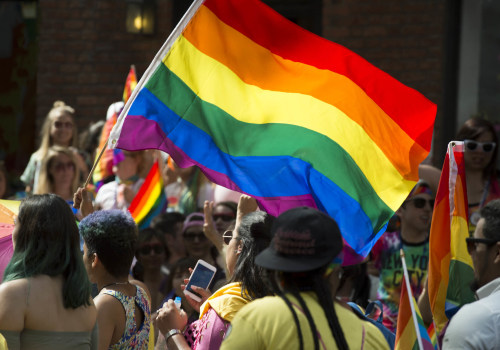
- Be Visible: Show your support by participating in Pride events or displaying symbols of allyship, such as rainbow flags. Visibility can help LGBTQ individuals feel more accepted and supported in their communities.
- Advocate for Policy Changes: Support policies that promote equality for LGBTQ individuals at local, state, and national levels. This includes advocating for anti-discrimination laws and equal rights legislation.
Conclusion: Moving Towards a More Inclusive Society for All
As we reflect on the myriad challenges faced by the LGBTQ community, it becomes increasingly clear that the journey towards equality and inclusion is far from over.The issues of healthcare access, workplace discrimination, and housing inequality are just a few of the barriers that continue to hinder the progress of LGBTQ individuals. Each of these challenges not only affects the personal lives of those within the community but also has broader implications for society as a whole. To foster a more inclusive society, it is essential to recognize that advocacy must be a continuous effort. This involves not only raising awareness about the specific struggles faced by LGBTQ individuals but also actively working to dismantle the systemic barriers that perpetuate discrimination. Community organizations, allies, and advocates play a crucial role in this process, providing support and resources to those in need. Moreover, education is a powerful tool in combating prejudice and fostering understanding.
By promoting comprehensive education about LGBTQ issues in schools and workplaces, we can help cultivate an environment where diversity is celebrated rather than stigmatized. This includes training for healthcare providers to ensure they are equipped to offer respectful and competent care to LGBTQ patients. Legal protections are also paramount in this fight for equality. While significant strides have been made in recent years, such as the legalization of same-sex marriage, there remain gaps in legal recognition and protection for many LGBTQ individuals. Continued advocacy for comprehensive anti-discrimination laws at both state and federal levels is essential to safeguard the rights of all members of the community. In conclusion, moving towards a more inclusive society requires collective action and unwavering commitment from all sectors of society.
It is imperative that we stand together in solidarity with the LGBTQ community, advocating for their rights and ensuring that every individual is treated with dignity and respect. Only through persistent efforts can we hope to create a world where everyone, regardless of their sexual orientation or gender identity, can thrive without fear of discrimination or violence.