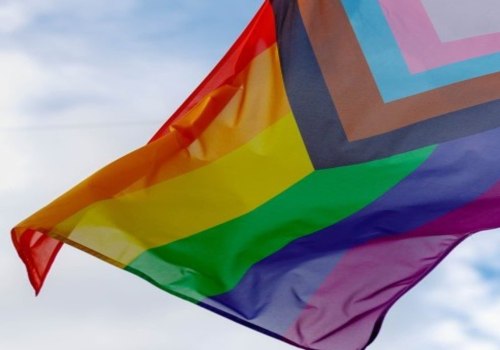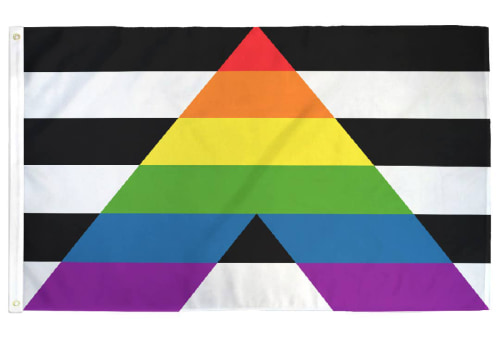
In the vibrant tapestry of the LGBTQ community, understanding the nuances of gender identity and sexual orientation is crucial for fostering acceptance and inclusivity. These two concepts, while often intertwined in discussions about identity, represent distinct aspects of who we are as individuals. Gender identity refers to a person's internal understanding and experience of their own gender, which may or may not align with the sex they were assigned at birth. This internal sense can manifest in various ways, leading individuals to identify as male, female, both, neither, or anywhere along the gender spectrum. On the other hand, sexual orientation encompasses the patterns of emotional, romantic, or sexual attraction one feels towards others. community, understanding the nuances of gender identity and sexual orientation is crucial for fostering acceptance and inclusivity. These two concepts, while often intertwined in discussions about identity, represent distinct aspects of who we are as individuals. Gender identity refers to a person's internal understanding and experience of their own gender, which may or may not align with the sex they were assigned at birth. This internal sense can manifest in various ways, leading individuals to identify as male, female, both, neither, or anywhere along the gender spectrum. On the other hand, sexual orientation encompasses the patterns of emotional, romantic, or sexual attraction one feels towards others. and sexual orientation is crucial for fostering acceptance and inclusivity. These two concepts, while often intertwined in discussions about identity, represent distinct aspects of who we are as individuals. Gender identity refers to a person's internal understanding and experience of their own gender, which may or may not align with the sex they were assigned at birth. This internal sense can manifest in various ways, leading individuals to identify as male, female, both, neither, or anywhere along the gender spectrum. On the other hand, sexual orientation encompasses the patterns of emotional, romantic, or sexual attraction one feels towards others. community, understanding the nuances of gender identity and sexual orientation is crucial for fostering acceptance and inclusivity. These two concepts, while often intertwined in discussions about identity, represent distinct aspects of who we are as individuals. Gender identity refers to a person's internal understanding and experience of their own gender, which may or may not align with the sex they were assigned at birth. This internal sense can manifest in various ways, leading individuals to identify as male, female, both, neither, or anywhere along the gender spectrum. On the other hand, sexual orientation encompasses the patterns of emotional, romantic, or sexual attraction one feels towards others. is crucial for fostering acceptance and inclusivity. These two concepts, while often intertwined in discussions about identity, represent distinct aspects of who we are as individuals. Gender identity refers to a person's internal understanding and experience of their own gender, which may or may not align with the sex they were assigned at birth. This internal sense can manifest in various ways, leading individuals to identify as male, female, both, neither, or anywhere along the gender spectrum. On the other hand, sexual orientation encompasses the patterns of emotional, romantic, or sexual attraction one feels towards others. community, understanding the nuances of gender identity and sexual orientation is crucial for fostering acceptance and inclusivity. These two concepts, while often intertwined in discussions about identity, represent distinct aspects of who we are as individuals. Gender identity refers to a person's internal understanding and experience of their own gender, which may or may not align with the sex they were assigned at birth. This internal sense can manifest in various ways, leading individuals to identify as male, female, both, neither, or anywhere along the gender spectrum. On the other hand, sexual orientation encompasses the patterns of emotional, romantic, or sexual attraction one feels towards others. and sexual orientation is crucial for fostering acceptance and inclusivity. These two concepts, while often intertwined in discussions about identity, represent distinct aspects of who we are as individuals. Gender identity refers to a person's internal understanding and experience of their own gender, which may or may not align with the sex they were assigned at birth. This internal sense can manifest in various ways, leading individuals to identify as male, female, both, neither, or anywhere along the gender spectrum. On the other hand, sexual orientation encompasses the patterns of emotional, romantic, or sexual attraction one feels towards others. community, understanding the nuances of gender identity and sexual orientation is crucial for fostering acceptance and inclusivity. These two concepts, while often intertwined in discussions about identity, represent distinct aspects of who we are as individuals. Gender identity refers to a person's internal understanding and experience of their own gender, which may or may not align with the sex they were assigned at birth. This internal sense can manifest in various ways, leading individuals to identify as male, female, both, neither, or anywhere along the gender spectrum. On the other hand, sexual orientation encompasses the patterns of emotional, romantic, or sexual attraction one feels towards others.
It is important to recognize that sexual orientation is independent of gender identity; a person’s attraction to others does not dictate their gender identity. For instance, a transgender woman may be attracted to men, women, or both, illustrating that sexual orientation can vary widely regardless of one's gender identity. As we delve deeper into these concepts, it becomes evident that both gender identity and sexual orientation are fluid and can evolve over time. This fluidity challenges traditional binary notions of gender and sexuality, encouraging a broader understanding of human experience. By embracing this complexity, we can create a more supportive environment for all individuals within the LGBTQ community.
Understanding these differences not only enriches our knowledge but also enhances our ability to engage compassionately with others.
Defining Gender Identity
Gender identity is a deeply personal and intrinsic aspect of who an individual is. It refers to a person's internal understanding and experience of their own gender, which may or may not align with the sex they were assigned at birth. This concept is crucial for understanding the broader spectrum of identities within the LGBTQ community. To clarify, gender identity is distinct from biological sex. Biological sex typically refers to the physical attributes—such as chromosomes, hormone levels, and reproductive/sexual anatomy—that are used to classify individuals as male or female at birth.However, gender identity encompasses a much broader range of experiences and expressions. Individuals may identify as:
- Cisgender: Those whose gender identity aligns with their assigned sex at birth.
- Transgender: Individuals whose gender identity differs from their assigned sex at birth. This can include trans men (assigned female at birth but identify as male) and trans women (assigned male at birth but identify as female).
- Non-binary: People who do not exclusively identify as male or female. This can include identities such as genderqueer, genderfluid, or agender.
- Genderqueer: A term often used interchangeably with non-binary, it describes those who reject traditional gender distinctions.
- Two-Spirit: A term used by some Indigenous cultures in North America to describe a person who embodies both masculine and feminine qualities.
This fluidity highlights the importance of respecting each person's self-identification and the language they choose to describe their experience. Moreover, societal norms and cultural contexts can significantly influence how individuals understand and express their gender identity. In many cultures, traditional binary notions of gender are being challenged, leading to greater acceptance of diverse identities. This shift fosters an environment where individuals feel empowered to express their true selves without fear of discrimination or misunderstanding. In summary, gender identity is a complex interplay of personal understanding and societal influences. By acknowledging its nuances and differences from biological sex, we can foster a more inclusive environment for all members of the LGBTQ community.
Exploring Sexual Orientation
Sexual orientation is a fundamental aspect of human identity that encompasses the patterns of emotional, romantic, and sexual attraction one feels towards others.It is a complex interplay of various factors, including biological, psychological, and social influences. Understanding sexual orientation is crucial for fostering acceptance and inclusivity within the LGBTQ community and beyond. At its core, sexual orientation can be defined as the enduring pattern of emotional, romantic, or sexual attractions one has to individuals of the same or different genders. This definition highlights that sexual orientation is not merely about physical attraction; it also involves deep emotional connections and romantic feelings. There are several recognized categories of sexual orientation:
- Heterosexual: Individuals who are attracted to members of the opposite gender. For example, a man who is attracted to women identifies as heterosexual.
-
Homosexual: This term refers to individuals who are attracted to members of the same gender.
A woman attracted to other women is considered a homosexual or lesbian.
- Bisexual: Bisexual individuals experience attraction to both men and women. Their emotional and romantic interests can span across genders.
- Pansexual: Those who identify as pansexual may feel attraction to individuals regardless of their gender identity. This orientation emphasizes an attraction based on personality rather than gender.
- Asexual: Asexual individuals may not experience sexual attraction to others at all. However, they can still form strong emotional or romantic connections.
Many people may find that their attractions evolve over time or that they identify with multiple orientations at different points in their lives. This fluidity challenges the traditional binary understanding of sexuality and encourages a more nuanced view of human relationships. Understanding sexual orientation also involves recognizing the societal influences that shape how individuals express their attractions. Cultural norms, family dynamics, and personal experiences all play significant roles in how one perceives their own sexuality and how they relate to others within the LGBTQ community. In conclusion, sexual orientation is a multifaceted concept that encompasses a wide range of attractions and identities. By fostering an understanding of these differences, we can create a more inclusive environment for everyone, allowing individuals to express their true selves without fear of judgment or discrimination.
Key Differences Between Gender Identity and Sexual Orientation
Understanding the distinctions between gender identity and sexual orientation is crucial for fostering a more inclusive society.While both concepts are integral to the LGBTQ community, they represent different aspects of a person's identity.
Gender Identity
refers to an individual's internal understanding and experience of their own gender. This can align with the sex assigned at birth or differ from it. For instance, a person assigned female at birth may identify as a woman, while another may identify as a man or as non-binary. Gender identity is deeply personal and can be influenced by various factors, including cultural, social, and individual experiences.
On the other hand, Sexual Orientation pertains to whom an individual is attracted to emotionally, romantically, or sexually.
This attraction can be directed towards individuals of the same gender, different genders, or multiple genders. For example, a person who identifies as gay is attracted to individuals of the same gender, while someone who identifies as bisexual may be attracted to more than one gender. To further clarify these concepts, consider the following key differences:
- Independence: Gender identity and sexual orientation are independent of each other. A person can identify as transgender and be attracted to men (heterosexual), women (homosexual), or both (bisexual).
- Fluidity: Both gender identity and sexual orientation can be fluid over time. An individual may discover new aspects of their identity as they grow and learn more about themselves.
-
Expression: Gender identity often influences how individuals express themselves through clothing, behavior, and social roles.
In contrast, sexual orientation primarily affects romantic relationships and attractions.
The Fluidity of Gender Identity and Sexual Orientation
Understanding the fluidity of both gender identity and sexual orientation is crucial in recognizing the dynamic nature of human experiences within the LGBTQ community. Many individuals find that their understanding of themselves evolves over time, influenced by personal experiences, societal changes, and increased awareness of diverse identities.Fluidity in Gender Identity
Gender identity is not a fixed label; it can shift as individuals explore their feelings and experiences.
For instance, someone who identifies as non-binary may later come to identify as a woman or a man, or vice versa. This journey can be influenced by various factors, including:
- Personal Growth: As people grow and learn more about themselves, they may discover new aspects of their identity that resonate more deeply.
- Social Environment: Supportive communities can encourage individuals to express their true selves, while unsupportive environments may lead to confusion or repression.
- Cultural Influences: Exposure to different cultures and perspectives can broaden one’s understanding of gender beyond traditional binaries.
Fluidity in Sexual Orientation
Similarly, sexual orientation can also be fluid. A person might identify as heterosexual at one point in their life and later recognize attractions to the same sex or non-binary individuals. This fluidity can manifest in various ways:
- Exploration: Many individuals go through phases of exploration where they may identify with different sexual orientations as they navigate relationships.
- Life Experiences: Significant life events, such as falling in love with someone unexpected, can lead to a reevaluation of one’s sexual orientation.
- Awareness and Acceptance: Increased visibility and acceptance of diverse sexual orientations can empower individuals to embrace identities they may have previously suppressed.
As people navigate their identities, they deserve the freedom to express themselves authentically without fear of judgment or misunderstanding. Acknowledging the fluid nature of gender identity and sexual orientation fosters an inclusive environment where everyone feels valued and accepted. In conclusion, recognizing that both gender identity and sexual orientation are not static but rather fluid concepts allows for a deeper understanding of the LGBTQ community. By embracing this fluidity, we contribute to a more compassionate society that honors each person’s unique journey.
Common Misconceptions About Gender Identity and Sexual Orientation
Understanding the nuances of gender identity and sexual orientation is crucial for fostering acceptance within society. Unfortunately, several misconceptions persist, often leading to confusion and stigma.Here, we will address some of the most common myths surrounding these concepts.
- Myth 1: Gender identity and sexual orientation are the same. Many people mistakenly believe that gender identity and sexual orientation are interchangeable terms. In reality, gender identity refers to how individuals perceive themselves in terms of gender, while sexual orientation pertains to whom they are attracted to. For instance, a transgender woman may identify as female and be attracted to men, women, or both, illustrating that these aspects of identity can vary independently.
-
Myth 2: Being transgender is a mental illness. This misconception stems from outdated views in psychology. The American Psychiatric Association no longer classifies being transgender as a mental disorder.
Instead, it recognizes that gender dysphoria can occur when there is a mismatch between an individual’s experienced or expressed gender and their assigned sex at birth. Support and acceptance are vital for the well-being of transgender individuals.
- Myth 3: Sexual orientation is a choice. Many people believe that individuals can choose their sexual orientation. However, research indicates that sexual orientation is not something one can simply decide upon; it is an inherent aspect of who a person is. Just as one cannot choose their gender identity, sexual attraction is also deeply rooted in personal identity.
-
Myth 4: All LGBTQ individuals fit into neat categories. The LGBTQ community is incredibly diverse, encompassing a wide range of identities and experiences.
Not everyone fits into traditional labels such as gay, lesbian, or bisexual. Some may identify as queer, non-binary, or genderqueer, among other identities. It’s essential to respect each person’s self-identification and understand that labels can be fluid.
-
Myth 5: Transgender people are just confused. This stereotype undermines the legitimacy of transgender identities. Many transgender individuals have a clear understanding of their gender identity from a young age.
It’s crucial to listen to their experiences rather than dismiss them as confusion.
The Importance of Inclusivity in Understanding LGBTQ Identities
Creating an inclusive environment for individuals of all gender identities and sexual orientations is crucial for fostering acceptance and understanding within the LGBTQ community. Inclusivity not only benefits those who identify as part of this community but also enriches society as a whole by promoting diversity and empathy. Inclusivity begins with education. By informing ourselves about the various identities within the LGBTQ spectrum, we can dismantle stereotypes and misconceptions that often lead to discrimination.Understanding that gender identity and sexual orientation are distinct yet interconnected aspects of a person’s identity allows us to appreciate the complexity of human experiences. This knowledge empowers allies to advocate for the rights and recognition of LGBTQ individuals. Moreover, creating inclusive spaces involves actively listening to the voices of those within the community. This means providing platforms for LGBTQ individuals to share their stories, challenges, and triumphs. When people feel heard and validated, it fosters a sense of belonging that is essential for mental health and well-being.
Organizations, schools, and workplaces should implement policies that not only protect against discrimination but also celebrate diversity through events, training sessions, and support groups. In addition to policy changes, visual representation plays a significant role in inclusivity. When LGBTQ individuals see themselves reflected in media, literature, and public life, it affirms their identity and encourages others to embrace their authentic selves. This representation can help combat feelings of isolation and promote a culture where everyone feels valued. Furthermore, inclusivity extends beyond mere acceptance; it requires active participation in advocacy efforts. Supporting LGBTQ rights through volunteering, donating to relevant organizations, or participating in pride events can significantly impact the visibility and acceptance of diverse identities.
Allies play a vital role in amplifying marginalized voices and challenging discriminatory practices. Ultimately, fostering an inclusive environment is about recognizing our shared humanity. By embracing the differences that make each individual unique, we can cultivate a society that not only accepts but celebrates diversity. This commitment to inclusivity is essential for building a future where everyone—regardless of their gender identity or sexual orientation—can thrive.
FAQs About Gender Identity and Sexual Orientation
As discussions around gender identity and sexual orientation become more prevalent, many individuals have questions that seek clarity on these important topics. Below are some frequently asked questions that can help enhance understanding and foster a more inclusive environment.What is gender identity?
Gender identity refers to an individual’s deeply held sense of their own gender, which may be male, female, a blend of both, neither, or something else entirely.It is important to note that gender identity is distinct from biological sex, which is assigned at birth based on physical characteristics.
How does sexual orientation differ from gender identity?
While gender identity pertains to how individuals perceive themselves and their gender, sexual orientation relates to whom they are attracted to emotionally, romantically, or sexually. For instance, a person may identify as a woman (gender identity) and be attracted to men (sexual orientation), making her heterosexual.Can someone’s gender identity change over time?
Yes, gender identity can be fluid. Some individuals may discover or affirm their gender identity later in life, while others may experience shifts in their understanding of their own gender. It is crucial to respect each person's journey and self-identification.Is it possible for someone to be transgender and heterosexual?
Absolutely.A transgender person can have any sexual orientation. For example, a transgender woman (assigned male at birth but identifies as female) may be attracted to men, women, or both. This highlights the independence of gender identity from sexual orientation.
What are some common misconceptions about LGBTQ identities?
- Misconception: Gender identity and sexual orientation are the same.
- Reality: They are separate concepts; one relates to self-identity while the other pertains to attraction.
- Misconception: All transgender people undergo surgery.
- Reality: Not all transgender individuals choose or can afford surgical procedures; their identities are valid regardless of medical transition.
Conclusion: Embracing Diversity in the LGBTQ Community
In conclusion, understanding the distinctions between gender identity and sexual orientation is crucial for fostering a more inclusive and accepting society.The LGBTQ community encompasses a wide range of identities and experiences, each deserving of respect and recognition. By acknowledging the differences between these two concepts, we can better support individuals in their journeys of self-discovery and acceptance.
Key Takeaways:
- Gender Identity: This refers to an individual’s internal understanding of their own gender, which may or may not align with their biological sex. It is a deeply personal aspect of who someone is.
- Sexual Orientation: This describes the patterns of emotional, romantic, or sexual attraction one feels towards others. It is independent of gender identity and can vary widely among individuals.
-
Fluidity: Both gender identity and sexual orientation can be fluid, meaning they may evolve over time.
It is essential to approach these topics with an open mind and a willingness to learn.
- Respect for Self-Identification: Each person has the right to define their own identity. Making assumptions based on appearance or behavior can lead to misunderstandings and reinforce stereotypes.
Ultimately, fostering an inclusive environment benefits not just the LGBTQ community but society as a whole, paving the way for a future where diversity is celebrated rather than merely tolerated.